
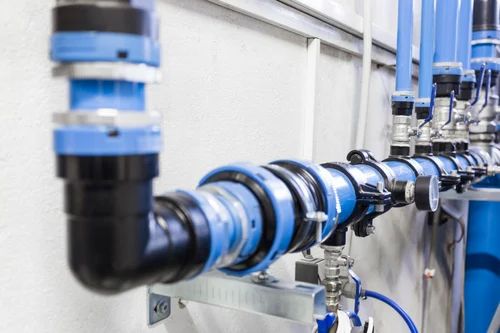
Aluminum piping is one of the preferred standard for modern compressed air distribution systems and for good reason. As manufacturers push for greater efficiency, reliability, and cost control, aluminum offers clear performance advantages over traditional materials like black steel or copper.
Smooth internal surface = lower pressure drop and energy savings
Aluminum piping features a consistently smooth bore that minimizes friction and turbulence inside the line. Lower pressure drop means compressors don’t have to work as hard to deliver required air pressure at the point of use. The result? Reduced energy consumption, improved system efficiency, and measurable operating cost savings over time.
Corrosion-free performance = cleaner air and less maintenance
Unlike black steel, aluminum does not rust. Corrosion in compressed air systems can contaminate air, damage tools and equipment, clog filters, and increase maintenance frequency. With aluminum, the air quality remains consistent and clean, reducing downtime and protecting downstream processes, especially critical in industries such as food processing, pharmaceuticals, electronics, and automotive manufacturing.
Lightweight and modular = faster installation and easy system changes
Aluminum piping systems are significantly lighter than steel and are typically designed with modular fittings and push-to-connect components. This simplifies installation, reduces labor time, and minimizes the need for specialized welding or threading. Expansions, reconfigurations, or production line changes can be completed quickly, helping facilities stay agile as operations evolve.
Long-term reliability = reduced lifecycle costs
While the upfront material cost may differ from traditional piping, aluminum delivers strong long-term value. Lower energy usage, reduced maintenance, fewer leaks, and improved durability translate into lower total cost of ownership. Its structural integrity and resistance to environmental factors ensure consistent performance for years.
For manufacturers focused on operational efficiency, sustainability, and long-term performance, aluminum piping is a smart, future-ready infrastructure decision that supports productivity and profitability.