
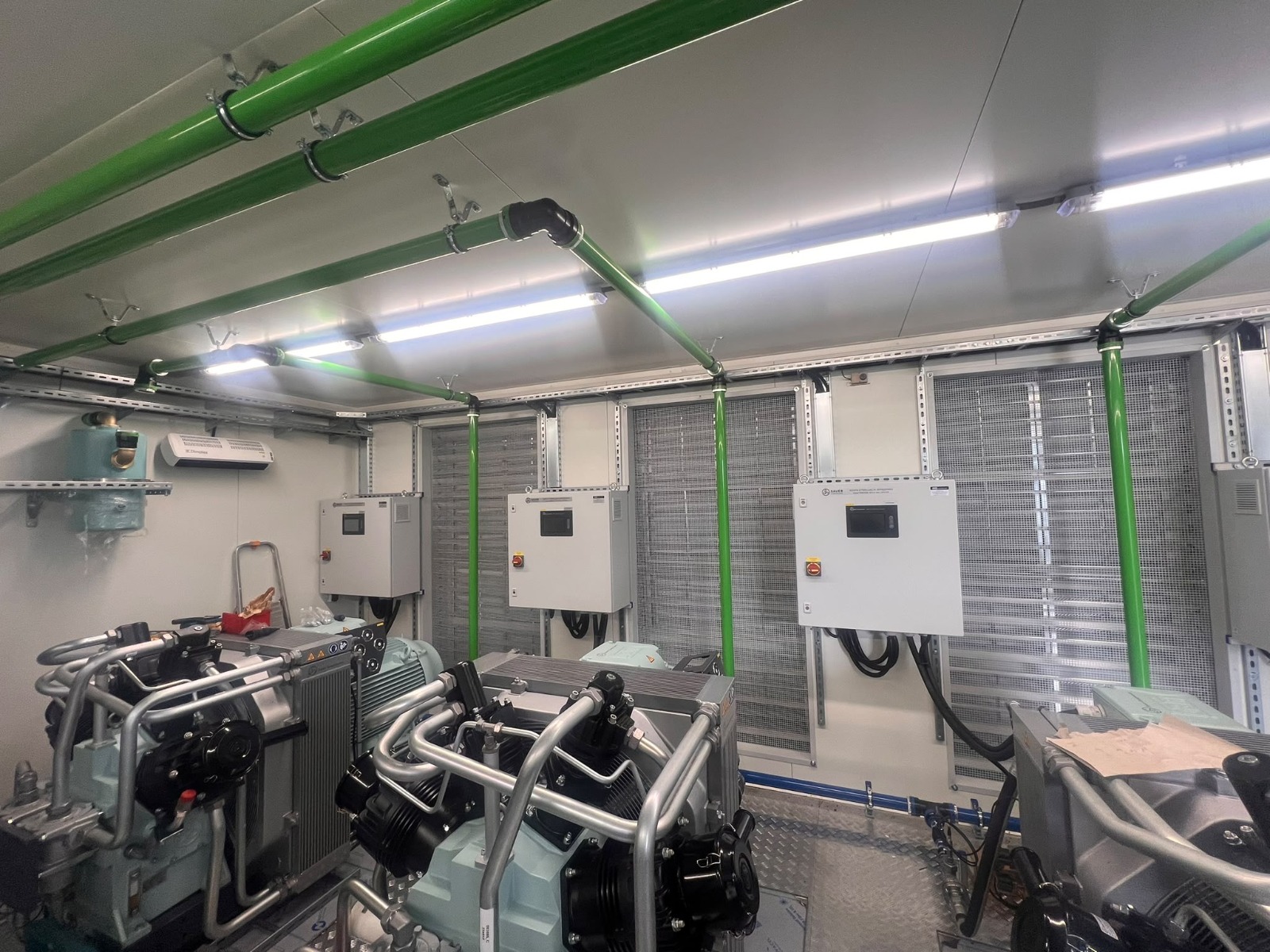
Compressed air is an essential resource in many industrial processes, but leaks can make it one of the most expensive forms of energy in your facility.
Even small leaks can lead to significant energy losses over time. When compressed air escapes from fittings, connections, valves or damaged components, the compressor must work harder to maintain the required pressure. The result is higher energy consumption, increased operating costs and unnecessary wear on equipment.
Why are compressed air leaks a problem?
Compressed air systems often operate continuously, which means leaks can waste energy around the clock, even when production demand is low.
Common sources of leaks include:
- Loose or damaged fittings and connections.
- Worn seals and valves.
- Damaged hoses and piping components.
- Poorly installed or deteriorated distribution networks.
Identifying and repairing these issues can help reduce energy waste and improve overall system performance.
3 ways to reduce compressed air leaks
- Inspect your installation regularly
Routine inspections help identify damaged components, loose connections and other potential leak sources before they become more serious problems.
- Include leak detection in preventive maintenance
A structured maintenance programme helps ensure that leaks are detected and repaired promptly. Depending on the installation, ultrasonic leak detection can also help identify leaks that are difficult to locate by ear.
- Pay attention to connections and distribution components
The efficiency of a compressed air installation depends on more than the compressor itself. Fittings, connectors and piping components all play a role in maintaining a reliable, leak-resistant network.
Reducing leaks is one of the most practical ways to improve compressed air efficiency without necessarily investing in a new compressor.
At EQOFLUIDS, we design and supply modular piping systems for industrial fluid distribution, including compressed air, vacuum, nitrogen and inert gases. Reliable components and a well-designed distribution network can help support efficient operation and reduce avoidable losses.
Looking to improve your compressed air installation? Discover how EQOFLUIDS can help you build a more efficient industrial distribution system.